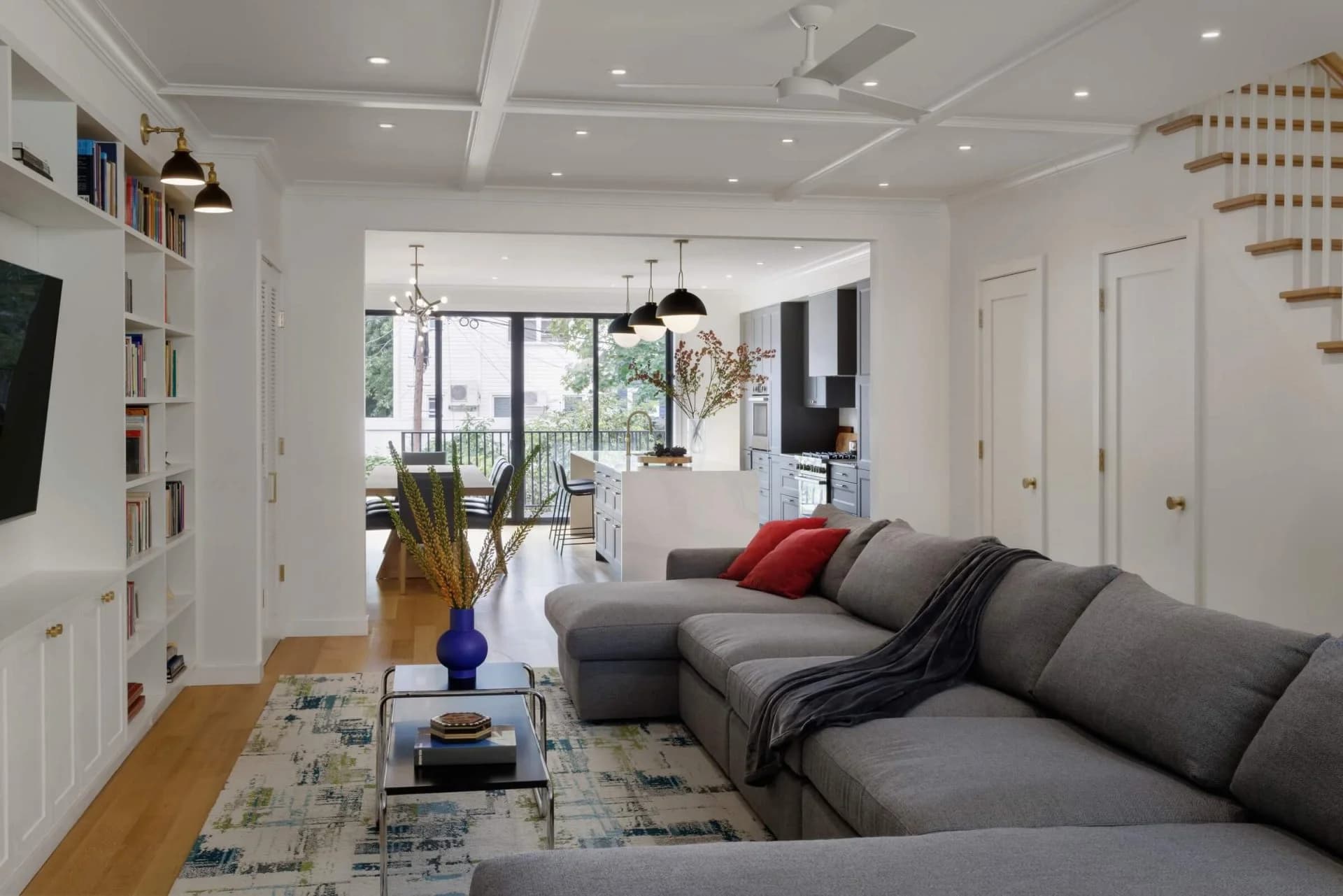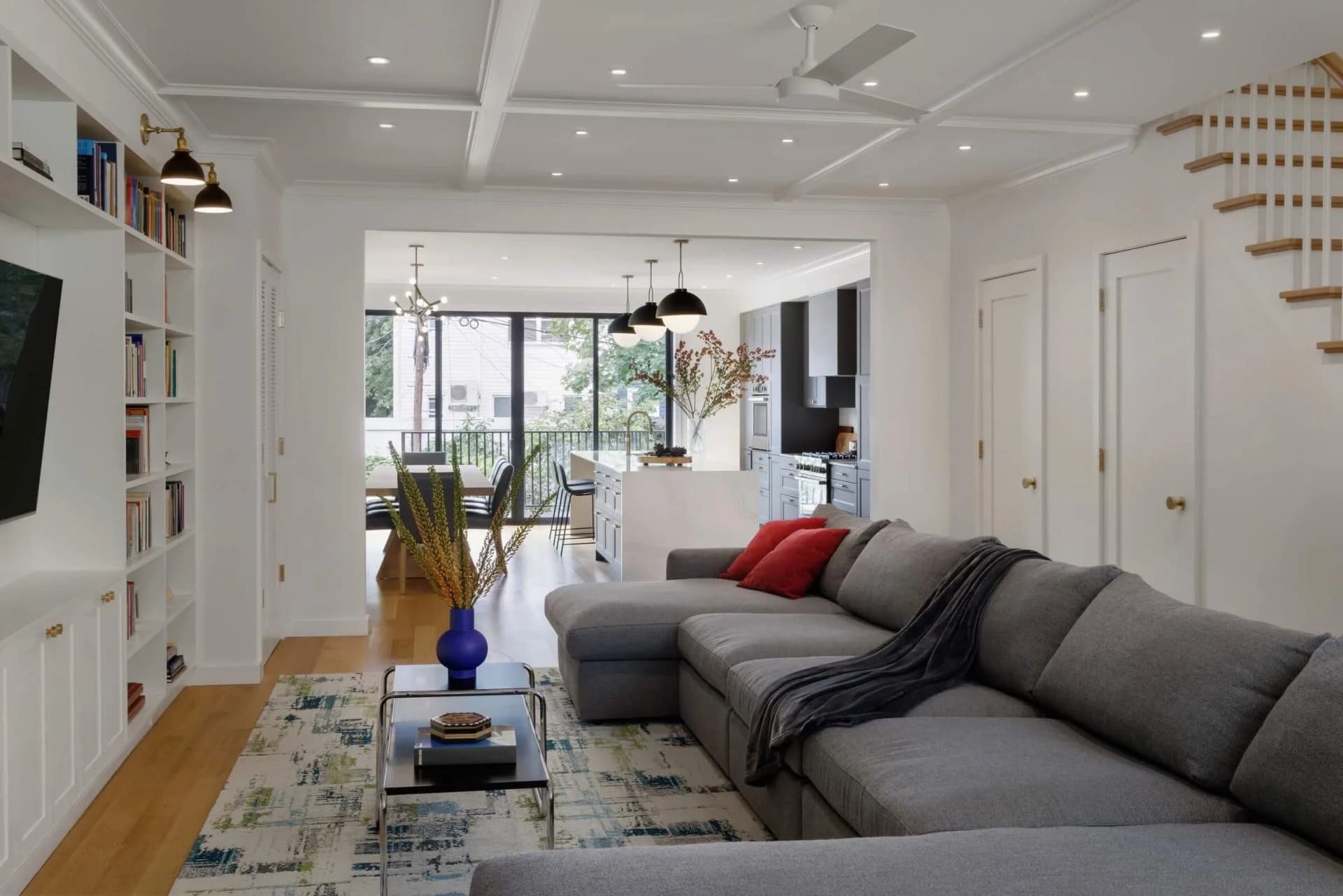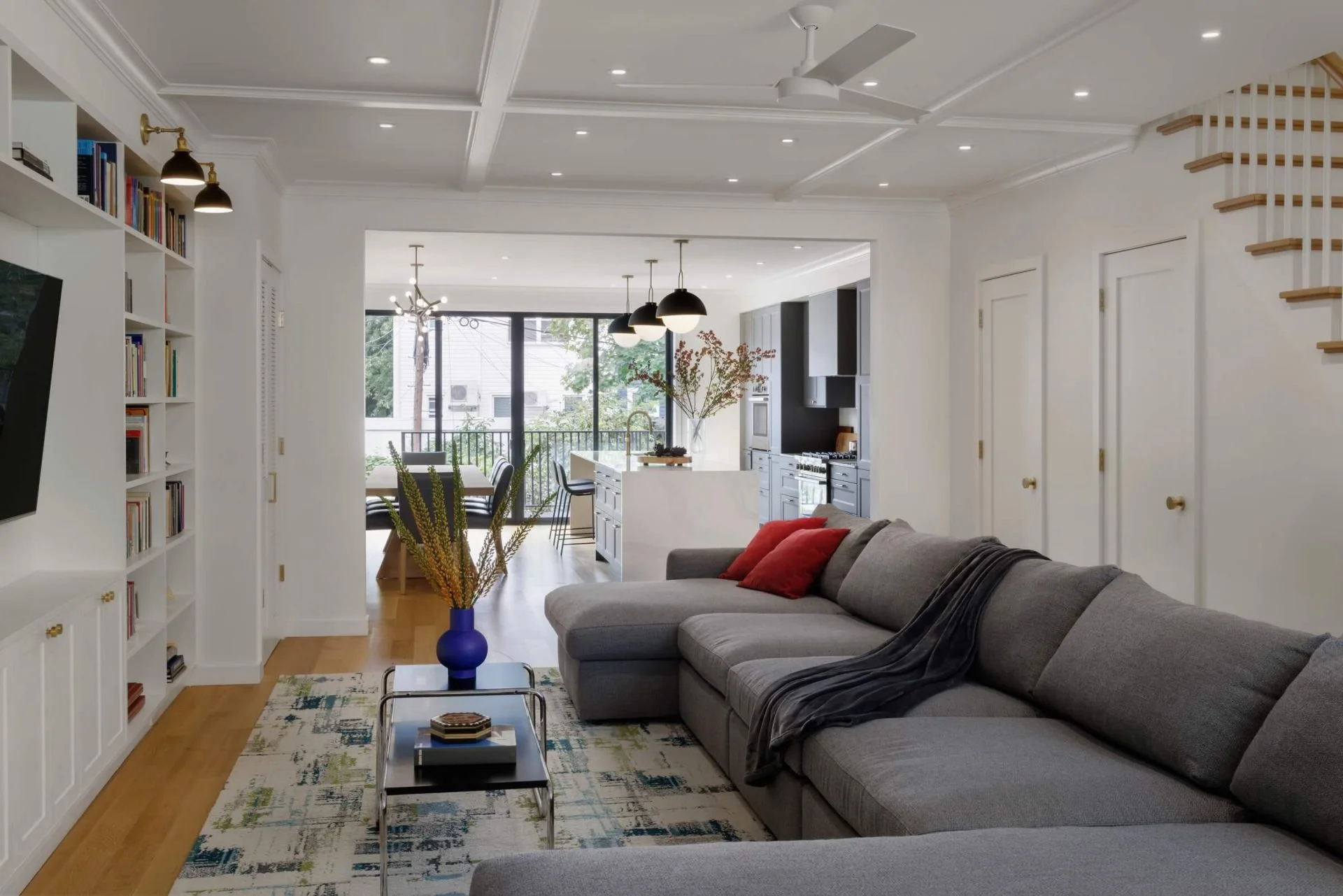
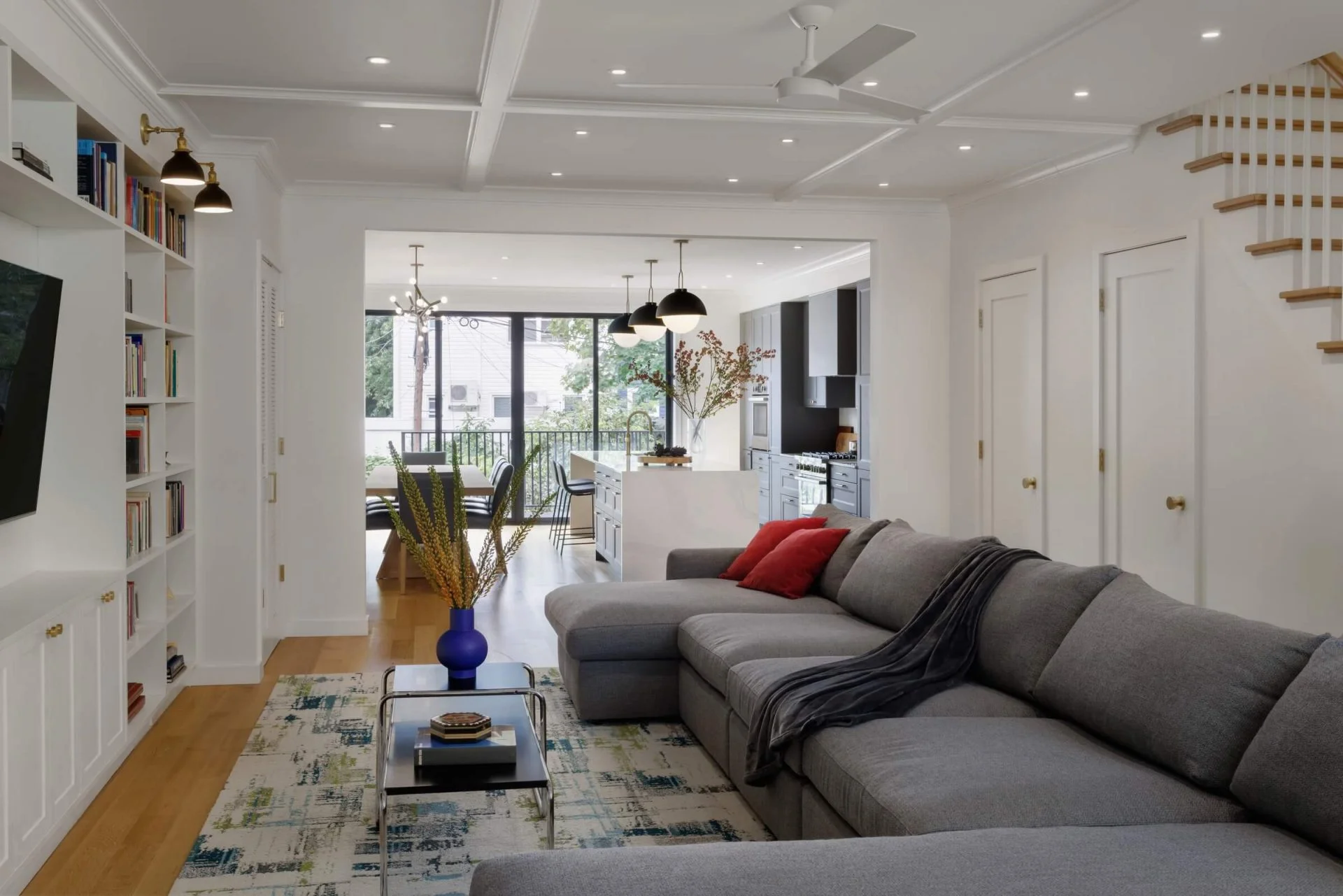
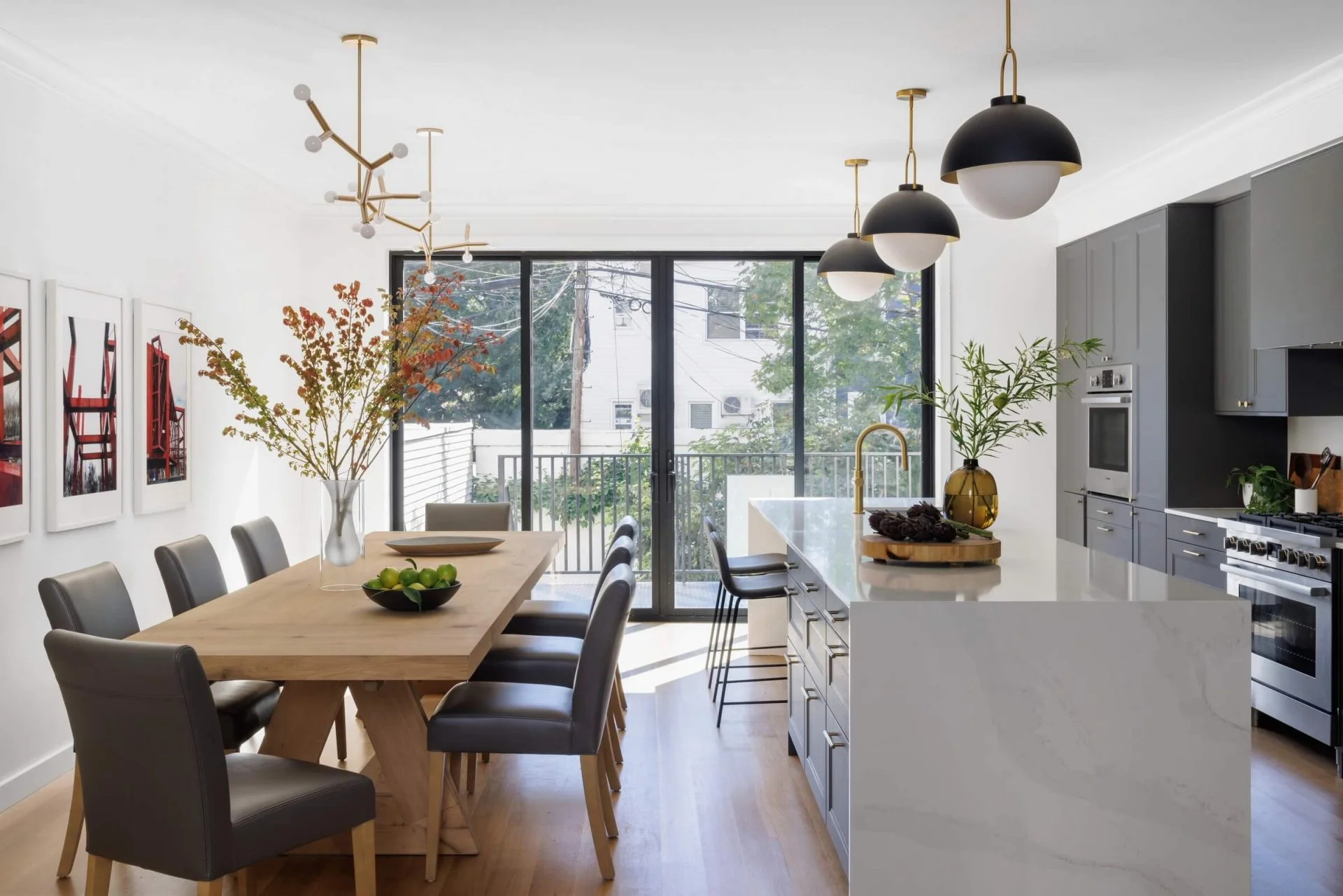
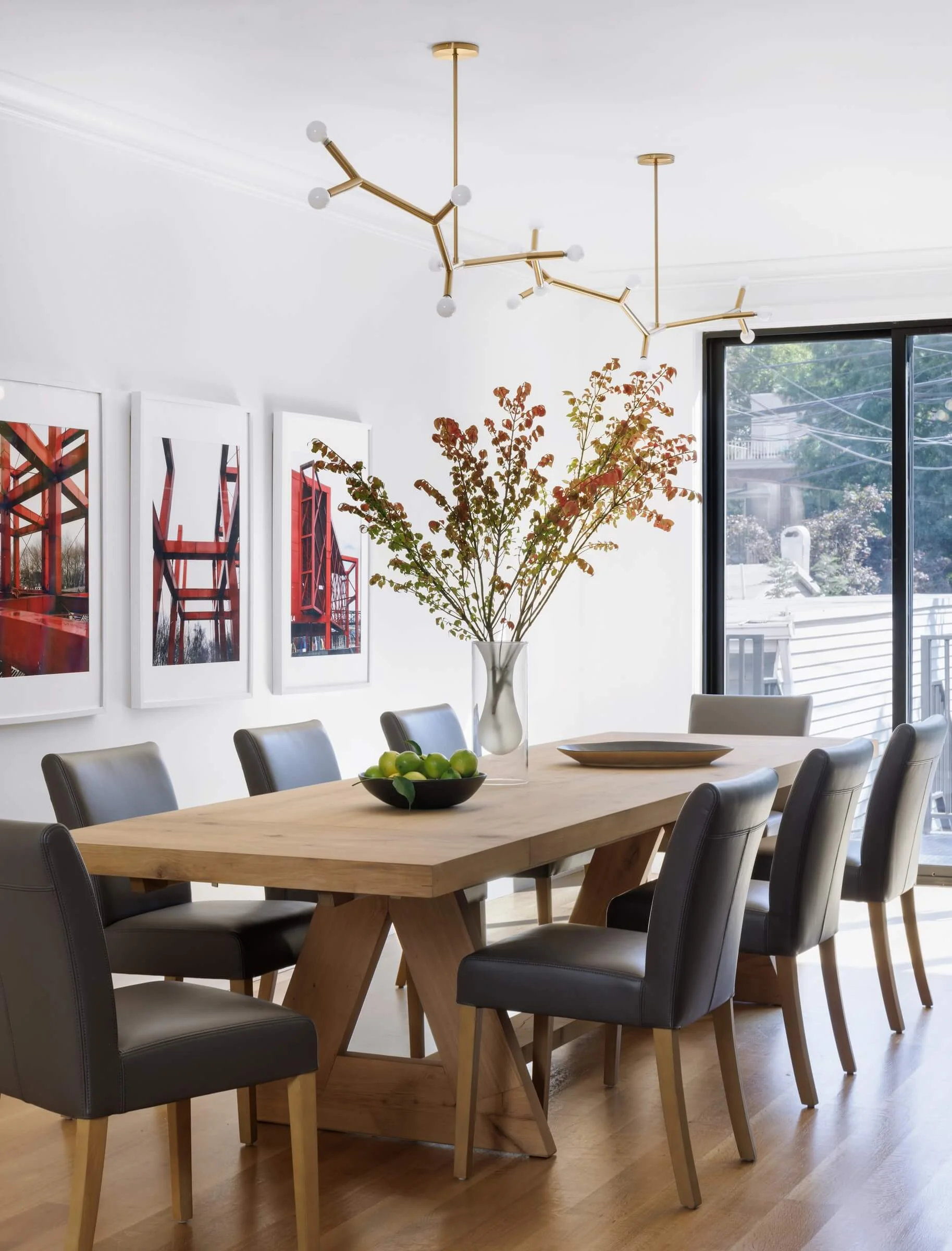
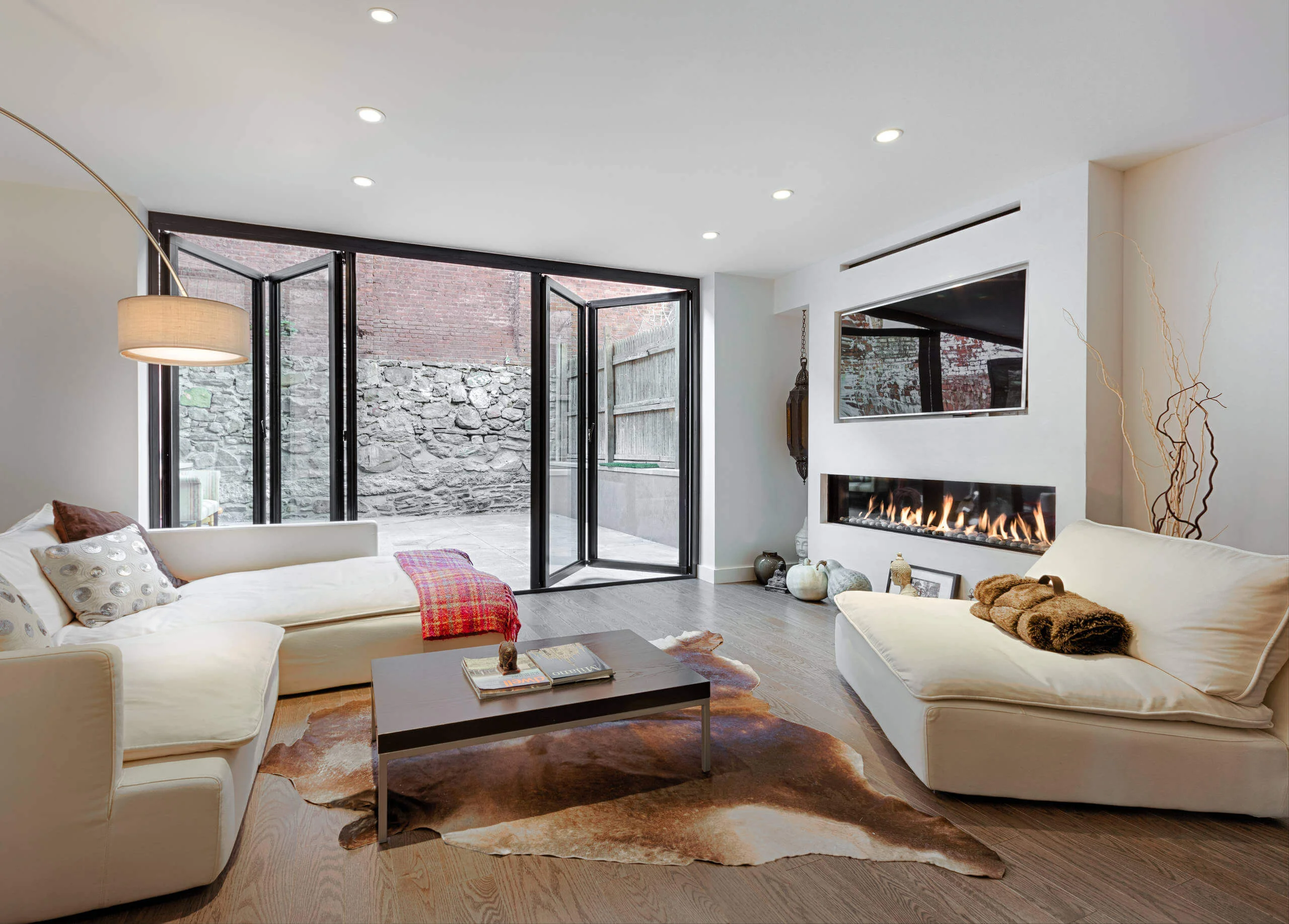
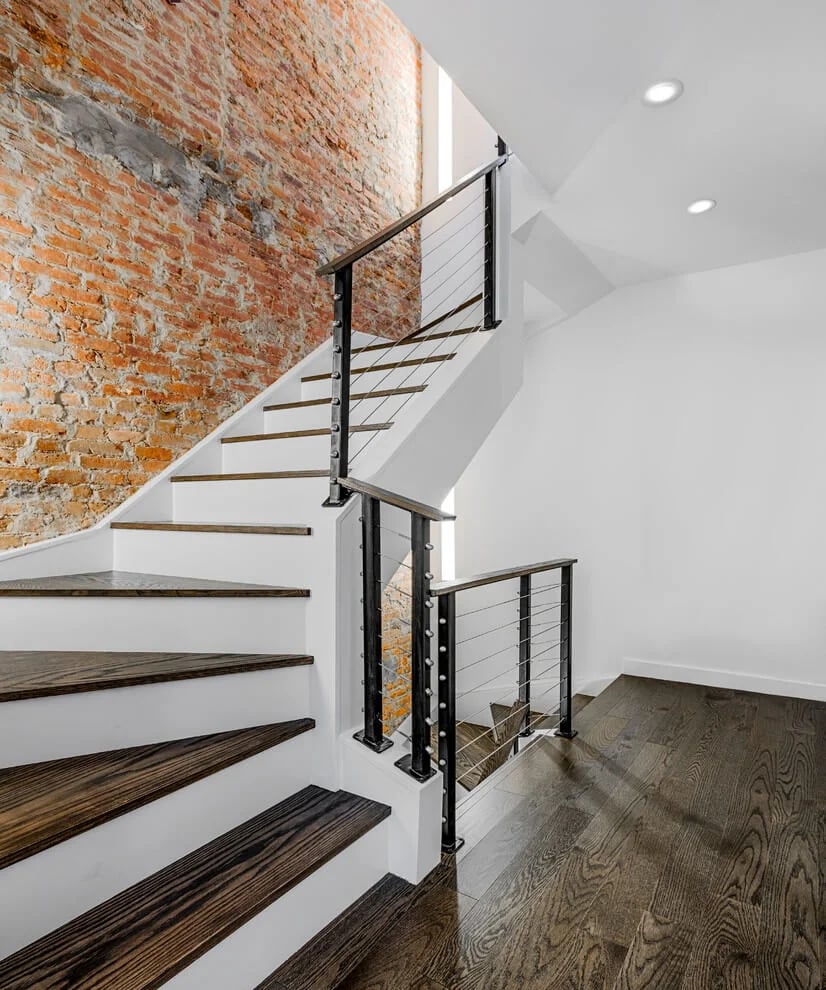
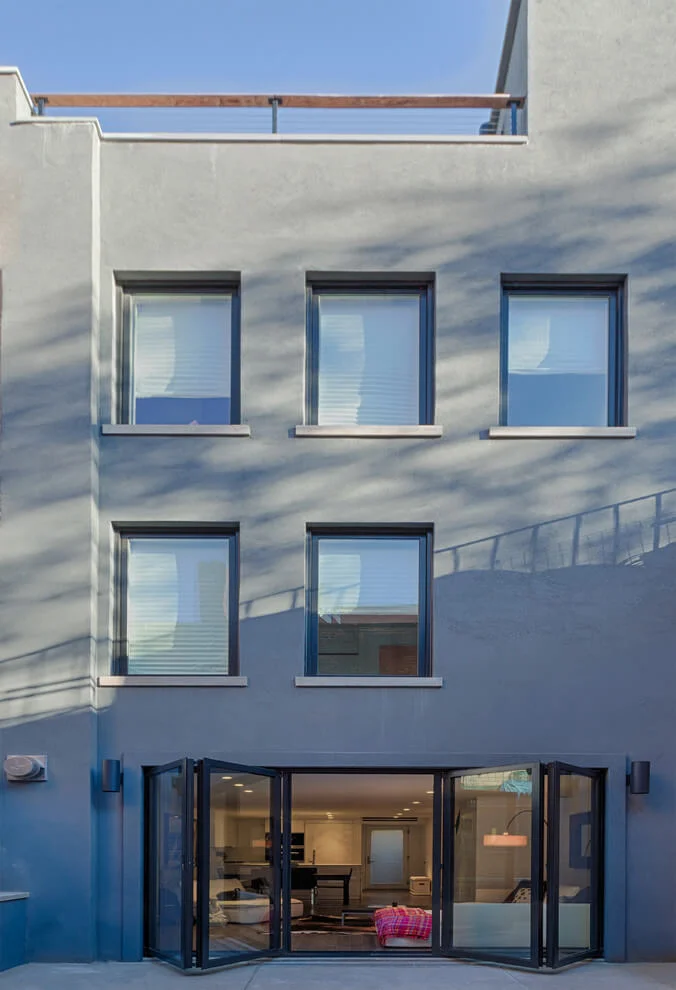
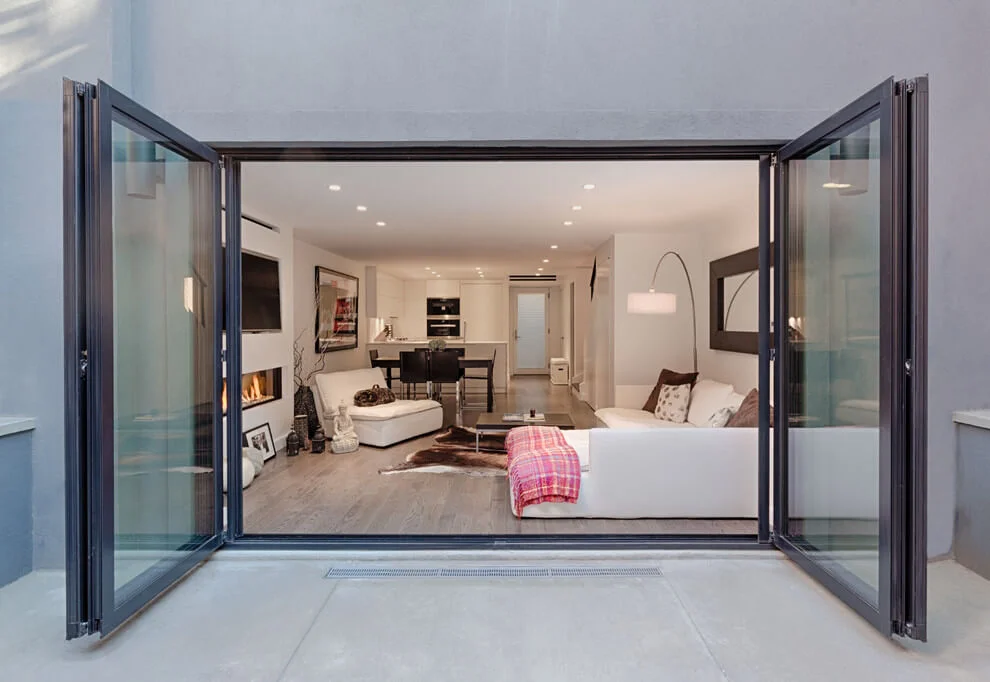
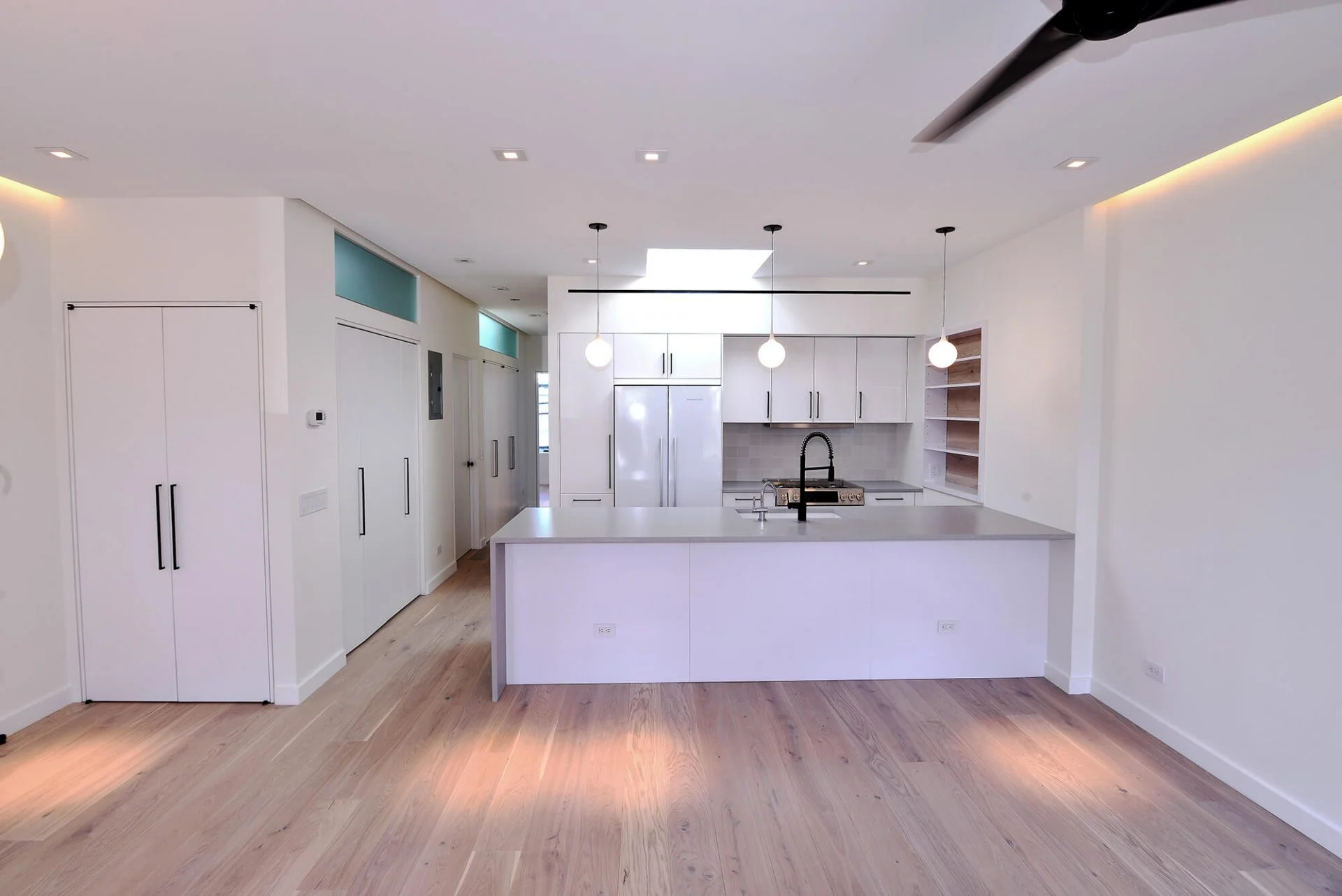
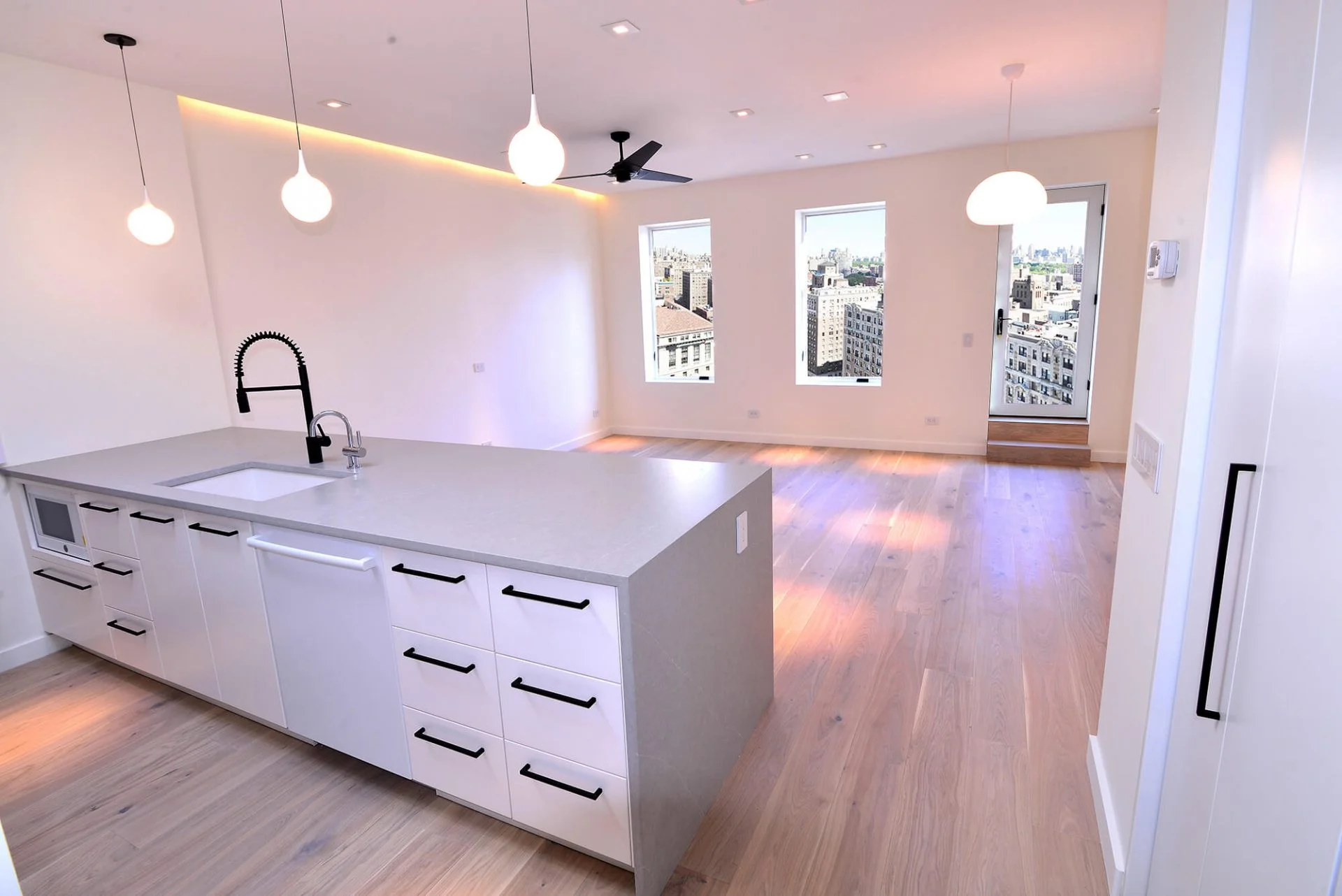
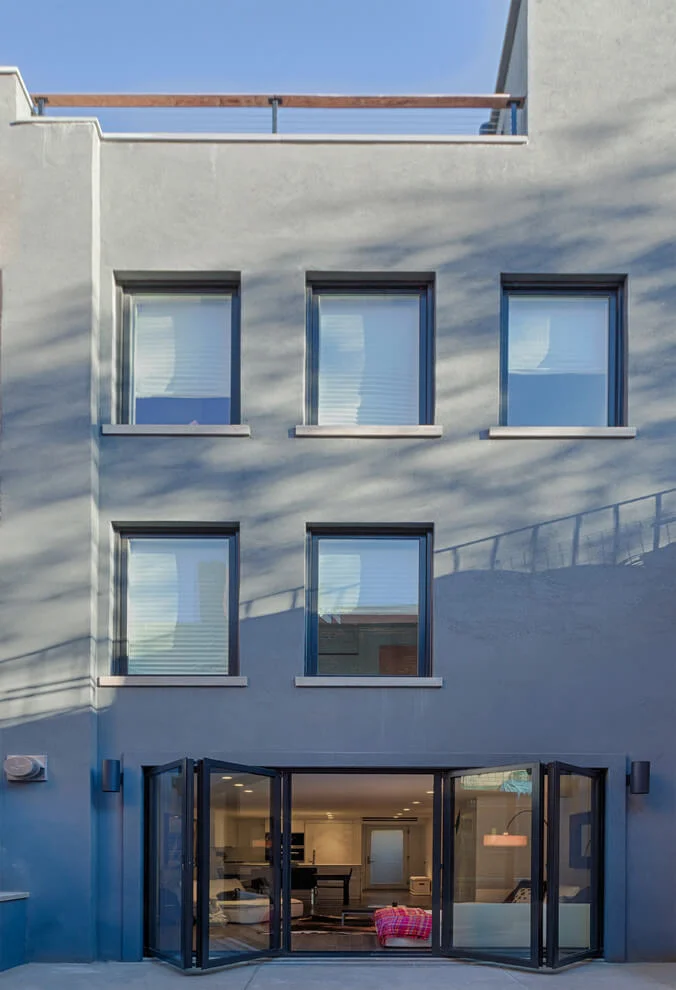
Restored Brooklyn brownstone interior with original detailing by Grandeur Hills Group
Manhattan & Brooklyn

Townhouse & Brownstone Renovation in New York City

Whole-home restoration of New York's most storied residences — landmark facades, original detail, and modern systems, resolved across every floor.

Design-Build · One TeamCo-op, Condo & LandmarkWhite-Glove ManagementTransparent Pricing

A townhouse is the most complex residential project in New York: four to six floors of original structure, often a landmarked facade, party walls shared with neighbors, and a client who wants a 19th-century house with the comfort of new construction. We restore brownstones and townhouses across Manhattan and Brooklyn to that brief, keeping the original architecture and updating how the house works.

As one design-build firm, we carry the project from facade and structure to the last cabinet pull. One accountable team manages the restoration trades, the modern systems, and the approvals, so a multi-year project runs as one job rather than a series of contractors.

What We Deliver

Townhouse Renovation in NYC: What We Deliver

From a single-floor restoration to a cellar-to-roof rebuild, the scope depends on the house, its landmark status, and how you intend to live in it.

  • Whole-Home Restoration

    Restoring and replicating plaster cornices, medallions, mantels, staircases, and original flooring — repaired where possible, faithfully remade where not.

  • Facade & Landmark Work

    Masonry, brownstone, and cornice restoration coordinated with the Landmarks Preservation Commission, including approvals, materials, and historically accurate detailing.

  • Structural & Systems Modernization

    New structure, steel, and underpinning where required, with fully concealed HVAC, radiant heat, plumbing, electrical, and smart-home systems threaded through historic fabric.

  • Cellar-to-Roof Reconfiguration

    Garden-level excavation, rear and rooftop additions, elevators, and single-family conversions that reimagine how the full height of the house is used.

The Finish

Signature Restoration

Restored and replicated plaster cornices, ceiling medallions, and moldingsRepaired and re-created original staircases, newels, and balustradesSalvaged, matched, and re-laid heart-pine and hardwood flooringRestored brownstone, masonry, and cornice facades to LPC standardsConcealed HVAC, radiant heat, and whole-home automation within historic fabricGarden-level, rear-yard, and rooftop additions where zoning allows
New York City

Landmarks, LPC & DOB Approvals

Townhouse renovations depend on approvals. We prepare and manage Landmarks Preservation Commission applications, Department of Buildings filings, and facade and party-wall documentation, and we coordinate the engineers, expediters, and inspections a historic house requires.

From single-family conversions to multi-unit reconfigurations, we know the zoning, certificate-of-occupancy, and neighbor-notice requirements of New York townhouse work, and we manage them so the project stays on schedule and in compliance.

Our Process

One Firm Across Every Floor

Townhouse work runs through our four-phase process — discovery, design, build, delivery — under one project manager and a client portal with itemized pricing across a long, multi-phase schedule. You always know which floor is in which phase and what it costs.

Our restoration craftspeople, masons, and systems trades are long-standing partners held to one standard, so new work matches the old and the finished house reads as one consistent whole.

By Borough

Townhouse Renovation by Neighborhood and Building Type

Manhattan townhouses

Townhouses on the Upper East Side, in Greenwich Village, and in Harlem are often inside historic districts, so facade, window, stoop, and rooftop work goes to the Landmarks Preservation Commission before the Department of Buildings issues a permit. Manhattan lots are narrow, so structural changes to the stair and the rear wall are the usual way to open the plan.

Brooklyn brownstones

Park Slope, Brooklyn Heights, Cobble Hill, Carroll Gardens, Fort Greene, and Clinton Hill are historic districts with the same Landmarks review. Brownstone facades need periodic restoration, and the Commission reviews the material and color of any repair. Many brownstones were divided into apartments, so returning one to a single-family home changes the certificate of occupancy.

Queens, the Bronx, and other row houses

Row houses and attached houses in Queens and the Bronx are usually outside historic districts, so the approvals are Department of Buildings permits and zoning checks for extensions. Party walls, shared cornices, and shared drains with the neighbors still have to be handled carefully.

The Hamptons, Westchester, and Long Island

Older houses in the Hamptons villages and in Westchester towns can fall under local historic preservation rules and architectural review boards. Extensions and pools are subject to village zoning, and a change to the septic system may involve the county health department. Each municipality runs its own building department and permit process.

Step by Step

Townhouse Renovation, Step by Step

  1. First call and building survey

    We discuss what you want the house to become and how the floors should work. Then we survey the house floor by floor, check the structure, the facade, and the existing certificate of occupancy, and confirm whether the house is landmarked.

  2. Design, engineering, and phasing

    Architects and engineers draw the whole house, including the structure, the systems, and any extension. The proposal is itemized and phased by floor, so you can see the cost of each part of the house before the drawings go to the city.

  3. Landmarks and Department of Buildings approvals

    For a landmarked house, the Landmarks Preservation Commission application goes first. Then we file with the Department of Buildings, including the structural, plumbing, electrical, and zoning documents, and we arrange the party-wall notices and neighbor access agreements the work requires.

  4. Structure, facade, and systems

    Structural work, underpinning, and any extension come first, followed by facade restoration and new plumbing, electrical, and HVAC roughed in through the whole house. Inspections happen at each stage before the walls are closed.

  5. Restoration, finishes, and handover

    Plaster, stairs, floors, and millwork are restored or remade, then the kitchens, baths, and finishes are installed. We close out the permits, update the certificate of occupancy where the scope requires it, and hand over the drawings and warranties.

Good to Know

Townhouse Renovation NYC FAQ

Townhouse and brownstone renovations are priced by scope, the extent of restoration and structural work, landmark requirements, and finish level rather than a flat figure. Grandeur Hills Group provides a fully itemized, phased proposal during design so the budget is clear before work begins.

A whole-home townhouse renovation is typically a multi-phase project running a year or more, driven by landmark and DOB approvals, structural work, restoration lead times, and the scale of a four-to-six-floor home. We build and manage a phased schedule through a client portal.

Yes. We prepare and manage LPC applications for landmarked facades and historic detailing, coordinating the approvals, materials, and documentation alongside the Department of Buildings filings the project requires.

Yes. Single-family conversions are a core part of our townhouse work, including the structural reconfiguration, certificate-of-occupancy changes, and systems modernization required to restore a building to one residence.
From the Journal

Guides for This Project

All Articles
Restored Brooklyn brownstone living room — Grandeur Hills Group townhouse renovation in NYC
June 4, 2026

What a Brownstone or Townhouse Renovation Costs in NYC

What actually determines the cost of a high-end townhouse or brownstone renovation in New York City — scope, building type, landmark constraints, approvals, finish level, and timeline — and why a real figure always comes from a scoped, itemized proposal, not a generic number.

Read Guide
Ready to Begin?

Your Next HomeStarts Here

Every project starts with a conversation. Tell us what you're imagining — we'll tell you how we'd build it. Proudly serving New York City since 2019.

CallBook a consultation